

When your vehicle starts humming like a prop plane or vibrating through the steering wheel, the "Wheel End System" is likely crying for help. Using this professional diagnostic workflow, you can determine if the culprit is a failing wheel bearing or an "imposter" like uneven tire wear.
Step 0: Checking Your DIY Capability
Before grabbing your tools, identify your hub type to see if this is a job for your home garage or a professional shop.
- The Green Light: If your vehicle—such as a modern Ford F-150 or Toyota Camry—uses a Generation 3 Hub Assembly (a bolt-on unit), it is a "point-to-point" replacement suitable for standard tools.
- The Red Alert: If your repair involves internal engine components or high-pressure systems, the risk is extreme and requires specialized equipment like hydraulic presses.
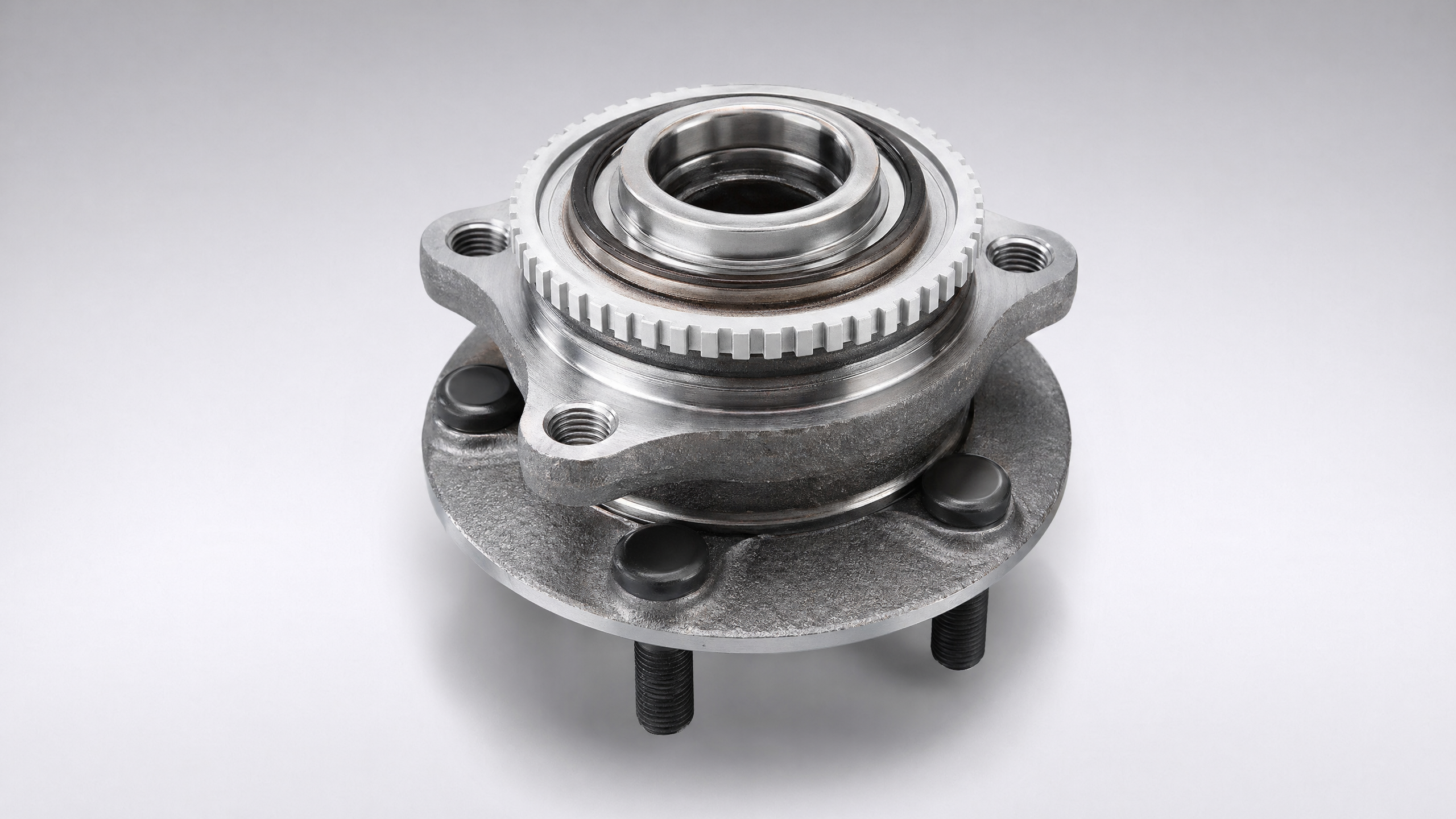
Step 1: The Road Surface Test (Tires vs. Bearings)
The goal here is to rule out tire noise before you invest in new parts.
- Likely Tire Noise: If the noise pitch changes significantly when driving on different surfaces, such as switching from asphalt to concrete, the tires are usually at fault.
- Confirmed Bearing Issue: If the mechanical growl remains constant regardless of the road texture, the internal components of the bearing are failing.
Step 2: Scanning for Fault Codes (DTC Analysis)
Modern vehicles often use their onboard computer to detect mechanical "play" that you might not feel yet.
- The Digital Smoking Gun: If you see ABS or Traction Control lights (specifically codes like P0500 on models like a Honda CR-V or Jeep Grand Cherokee), it indicates the bearing has enough "play" to move the integrated sensor out of alignment.
- Early Stages: If no codes are present and the ABS functions perfectly, the bearing may simply be in the very early stages of wear.
Step 3: The Loading Test (Isolating the Damage)
Use basic physics to determine which side of the vehicle is compromised.
- The Shift: While swaying the car, the noise typically gets louder when you turn away from the bad side (loading the bearing) and quieter when you turn toward it (unloading the bearing).
- The CV Axle Exception: If you hear "clicking" only during sharp, low-speed turns, the issue points to a CV Axle rather than the bearing.
Step 4: Physical Evidence (The Visual "Smoking Gun")
Confirm the mechanical failure through a direct visual inspection of the hub.
- "Blue Metal" Discoloration: If the metal surface of the hub appears dark blue or purple, the bearing has experienced extreme friction and catastrophic overheating.
- Failed Seals: Finding black, greasy residue or soot-like marks around the hub flange is definitive proof of a failed seal. This allows lubrication to escape, leading to "chemical poisoning" of the internal races.
- Low-Speed Wobble: If a heavy-duty vehicle like a Chevrolet Suburban shakes or "hops" at low speeds, the cause is likely a bent wheel or tire belt failure rather than the bearing.
Step 5: Selecting the Right Solution
Once your diagnosis is complete, match the symptoms to the correct replacement part to ensure a long-lasting fix:
| Diagnostic Conclusion | Recommended SKU | Necessary Accessories |
|---|---|---|
| Confirmed Bearing Play/Noise | Standard Hub | Flange Gaskets, Bolts |
| Visible "Blue Metal" or Leakage | Heavy-Duty Hub | Mounting Hardware |
| ABS Light + Bearing Hum | Hub w/ Integrated Sensor | Sensor Wire Clips |